

模型未返回最终正文(finish_reason=length),以下为推理过程摘录,可尝试提高 max_tokens 或改用多段生成。
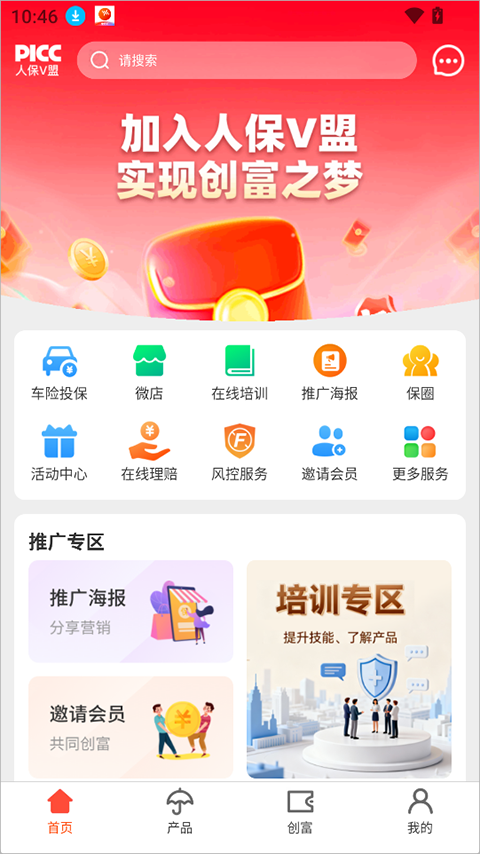
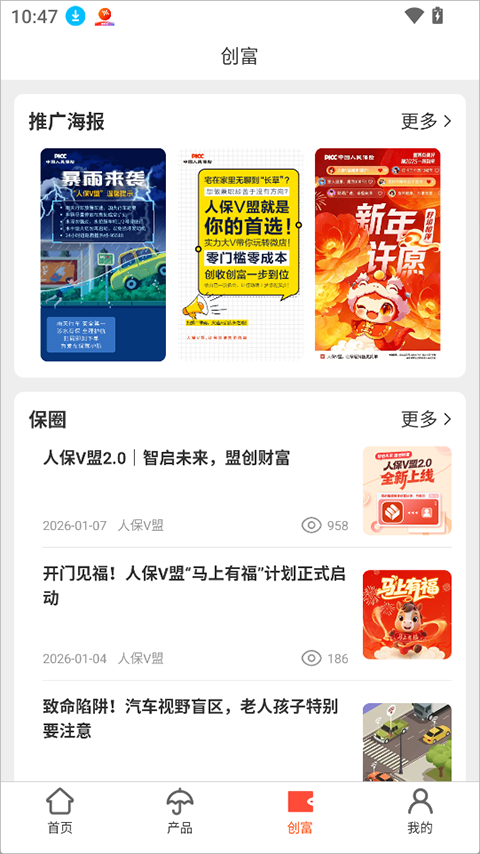
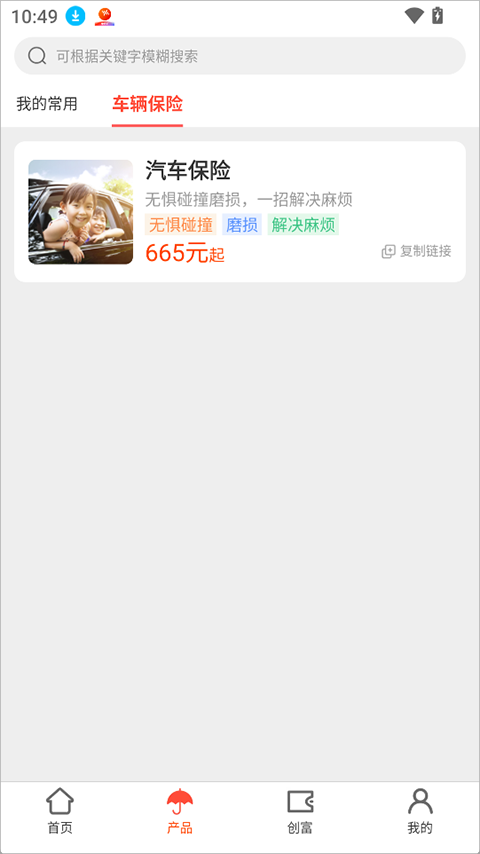
我们需要输出 HTML 正文片段。允许 p,h3。没有 markdown fences, no explanation. Need follow structure. Need include app name in first p naturally. Need order: first p intro, then h3 sections. Since random selection? The prompt says "已从词池随机抽 3~6 个非测评小节并优先保留采集中有原文者;若含介绍/简介关键词会固定排在首段 p 之后的第一个 h3, 其余小节再按其下列顺序;末位固定测评,全文共 4~7 个 h3". But then in "小节顺序" gives "软件介绍 → 优势 → 操作指南 → 使用说明 → 功能 → 亮点 → 测评" and tasks for all? Actually user listed tasks for each of the seven sections. We need determine count? The prompt says "然后仅按下列「小节顺序」输出(已从词池随机抽 3~6 个非测评小节并优先保留采集中有原文者;若含「介绍」「简介」类关键词会固定排在首段 <p> 之后的第一个 <h3>,其余小节再按其下列顺序;末位固定测评,全文共 4~7 个 <h3>)". However then they provide tasks for all sections? Let's parse carefully.

They say "【整体结构】顺序必须严格如下: 1 first p ... 2) 然后**仅按下列「小节顺序」**输出(已从词池随机抽 3~6 个非测评小节并优先保留采集中有原文者;若含「介绍」「简介」类关键词会固定排在首段 <p> 之后的第一个 <h3>,其余小节再按其下列顺序;末位固定测评,全文共 4~7 个 <h3>):每个小节先 <h3> ..."

Then they list "【小节顺序】软件介绍 → 优势 → 操作指南 → 使用说明 → 功能 → 亮点 → 测评". This is the order if all selected? But "randomly selected 3-6 non-review sections" means not all should be output. But user provided "各小节任务与已代入模板" for all 7 sections, with detailed prompts. Is that generic template, but we only output selected sections? Need identify which sections selected. They mention "已从词池随机抽 3~6 个非测评小节并优先保留采集中有原文者;若含「介绍」「简介」类关键词会固定排在首段 <p> 之后的第一个 <h3>". In this request, no source "原文" except first paragraph? Hmm all individual sections say "本小节无对应采集原文,按「原创H3-普通」撰写". So no original text for any. Randomly picked? Need know which of the sections are selected from word pool. The user didn't explicitly say. They list all seven tasks. Maybe the actual expected output might include all sections? But "随机抽 3~6 个非测评小节" conflicts. Since they list all 7 (including 测评) and require "全文共 4~7 个 h3". If output all 7 non-review + 测评 = 8 h3, violates. Need infer from some hidden variable? Let's re-read.

The entire prompt is from an automated generation system. It says "已从词池随机抽 3~6 个非测评小节并优先保留采集中有原文者;若含「介绍」「简介」类关键词会固定排在首段 <p> 之后的第一个 <h3>,其余小节再按其下列顺序;末位固定测评,全文共 4~7 个 <h3>" but then "【小节顺序】..." defines the order for all possible sections. The "各小节任务与已代入模板" includes all 7 sections in the full list? But perhaps the system has selected all 7? Wait "已从词池随机抽 3~6 个非测评小节" means a selection happened. The sections with "本小节无对应采集原文,按「原创H3-普通」撰写" for every section maybe because "无对应采集原文" not because not selected; all tasks are prepared but only selected ones to be output? The prompt likely generated with variables for each possible section, but then instructs to choose "按下列小节顺序" among selected? The instruction "然后仅按下列「小节顺序」输出(已从词池随机抽 3~6 个非测评小节..." seems contradictory because the "小节顺序" lists all possible sections, and "各小节任务" for all. Maybe we need determine selected count from "小节顺序"? The "整体结构" says "顺序必须严格如下: 1) first element p ... 2) 然后仅按下列「小节顺序」输出(已从词池随机抽 3~6 个非测评小节并优先保留采集中有原文者...)" This might mean "the list of sections below are given in the order to output, but the actual selected subset from word pool is those? Hmm.

Let's inspect phrase: "已从词池随机抽 3~6 个非测评小节并优先保留采集中有原文者" The word pool contains "软件介绍 功能" from global? Actually "rewriteKeys(入库多段链路中曾用于抽两段深度重写;整篇一次生成时可作语气参考)=[软件介绍 功能]" This may indicate the selected sections? rewriteKeys = [软件介绍 功能] means two segments deep rewrite? Could mean selected snippets include "软件介绍" and "功能". In global guide says rewriteKeys may be used for two segments deep rewrite; entire generation can use as tone reference. So maybe only "软件介绍" and "功能" are rewrite keys selected. But "优先保留采集中有原文者" no. The word pool random selection "3~6" not necessarily rewriteKeys.

Need output maybe 4 h3? Let's parse all clues.

The "整体结构" states:
- first p
- Then **only according to following「小节顺序」** output (已从词池随机抽 3~6 个非测评小节...): each h3...
- **最后一个小节固定为「人保V盟app测评」** (已在下列顺序末位): ...

Then "【小节顺序】软件介绍 → 优势 → 操作指南 → 使用说明 → 功能 → 亮点 → 测评"

If random selected 3-6 non-测评, total h3 4-7 including测评. Since they list all non-测评 order, perhaps the selected set is chosen from this list; but not specified which in prompt. However the individual section tasks include all seven. This seems like a template for all possible sections, and the final output should contain only the selected ones. But no selection indicated. Maybe because "各小节任务与已代入模板" includes all "selected" sections? There are 7 sections including测评. That would exceed. Unless "非测评" selected count is "3-6" but here "小节顺序" lists 6 non-review sections; all would be 6, total 7, exactly maximum. Since 6 non-review +测评 = 7. Is that allowed? "3~6 个非测评小节" includes 6, so possible. It says "全文共 4~7 个 <h3>", all sections would be 7. "仅按下列「小节顺序」输出" and then all tasks follow all sections; perhaps yes, because from word pool randomly picked 3-6, but this particular generation has all six? It happens to be "随机抽了6个" (the maximum). However "随机抽 3~6 个非测评小节" random, not guaranteed to be all; but the prompt might be from a pipeline that has pre-selected all 6? The user's text says "已从词池随机抽 3~6 个非测评小节" not "本次抽取了 6". But they then include all possible sections. Could output all 6, satisfying maximum and total 7. But phrase "仅按下列「小节顺序」输出" suggests all listed? Hmm.

If output all 7 h3 per tasks, total h3 7, within "全文共4~7个 h3". That may be acceptable. Need count: non-review 6, total 7. Good. But "随机抽 3~6" if 6 is allowed. Does "3~6" include 6? Yes. So output all 7 h3. But "随机抽" in an automated prompt may be to avoid all sections; but if all 6, not random? Could be maximum not random. But "仅按下列「小节顺序」输出" with all tasks present likely wants all. Need decide.

Let's read "各小节任务与已代入模板" includes:
- 小节关键词「软件介绍」 ... "本节固定 4 条"
- 优势 ... "本节固定 3 条"
- 操作指南 ... "本节固定 4 条"
- 使用说明 ... "本节固定 5 条"
- 功能 ... "本节固定 5 条"
- 亮点 ... "本节固定 6 条"
- 小节「测评」 ... "仅 1 个 <p>"
This is all seven sections. If they wanted selection, they'd need list selected sections; perhaps all are selected because all tasks are listed. Therefore output all seven h3.

Need ensure first p is an adapted introduction based on "首段" with app name. It should not be an h3. It must mention app name naturally. Then h3 "人保V盟app软件介绍" (since 软件介绍 includes "介绍" keyword, fixed first after first p). Then subsequent sections in order: 优势, 操作指南, 使用说明, 功能, 亮点, 测评. That is exactly sequence.

Need produce "若干 <p>, each point with number+English period+space" for non-review. Each point in its own p. No blank lines? We can output HTML fragment. Need no markdown code fences. "禁止 markdown 代码围栏、禁止任何解释或前言后记。" So just raw HTML.

Need use only p, h3. No img, no script/style. No html body.

Need type Chinese. Need each point one line. Need numbers continuous across all sections? "全篇统一为同一种序号格式" Does it require the numbering to be continuous across sections? It says each point line starts with "数字+英文句点+空格"; "全篇保持同一格式", not necessarily continuous numbering. Usually "1. 2. 3. ..." within each section. It says "每条要点须带序号且全篇统一为同一种序号格式(本次要求:用序号分条:每条单独成行,行首为「数字+英文句点+空格」(示例 1. 2. 3.),全篇保持同一格式)". Could mean every point numbered, but each section can restart? It doesn't explicitly say restart. "每条要点须带序号" and "全篇统一为同一种序号格式" means same style, not continuous count. In tasks for each section: "用序号分条:每条单独成行,行首为「数字+英文句点+空格」(示例 1. 2. 3.),全篇保持同一格式" and "本节固定 N 条". If continuous across sections, second section would start at 5. But examples in each section show 1. 2. 3., likely each section starts at 1. We should restart numbering per section? Need inspect wording "每节要点条数以该小节下方【条数】为准" "每节要点条数" "各节独立" maybe means each section has own count. "用序号分条" for each section. I think restart at 1 per h3 is conventional. But "全篇统一为同一种序号格式" could allow restart. Let's ensure not confuse "全篇统一" with "连续编号". "全篇统一为同一种序号格式" = "1. 2. 3." over all. So restart per section is fine. Need for each section according to fixed count.

Need original rewrite not copy exactly. Need app name "人保V盟app" in first p. The first p can be around 100-150 chars, not too long. Need include original message: official Chinese PICC social insurance wealth creation and mobile business platform, relies on rich product system and professional service, focuses on decentralized insurance market, creates marketing tool, integrates policy, customer management, sharing acquisition. Need adapt.

Need h3s exact: "人保V盟app软件介绍", etc.

Need each section content. Let's plan.

First paragraph:
"人保V盟app是中国人保官方打造的社交化保险创富与移动展业平台,依托人保丰富的产品体系和专业服务能力,聚焦分散性保险产品市场,为保险从业者提供集投保、客户管理、分享获客于一体的高效营销工具。" This is near original but changed. Need include name naturally. Good. It is not an h3.

Then h3 软件介绍 (4 points). Since first p introduced, h3 can elaborate. Need product positioning, target users, overall ability. Could use:
1. 面向保险代理人、经纪人的官方移动展业工具。
2. 专注分散性保险产品市场,覆盖投保服务全流程。
3. 整合客户管理与分享获客,降低日常营销成本。
4. 依托中国人保品牌与专业服务,提升业务可信度。
Each under 50.

Need h3 优势 (3 points): performance, ease of use, compatibility/ecosystem. Could say:
1. 官方平台背书,产品与服务由人保统一支持。
2. 投保流程线上化,操作门槛低,上手容易。
3. 集客户管理、分享获客与投保于一体,业务衔接高效。
Maybe "兼容多类保险产品销售场景" more specific.

Need h3 操作指南 (4 points): key process step-by-step. Need perhaps:
1. 登录后先完善个人展业信息并完成实名认证。
2. 在产品中心选择合适险种,进入在线投保流程。
3. 通过客户管理模块新建客户并记录跟进状态。
4. 使用分享获客功能生成推广链接,分享至社交平台。
Need each one line.

Need h3 使用说明 (5 points): installation, permissions, account, basics. Need mention installation? The allowed tags only p/h3; can mention not in h3. Could say:
1. 在应用商店搜索"人保V盟app"下载并安装。
2. 首次使用需注册或使用中国人保账号登录。
3. 授予必要通知与存储权限,便于接收业务提醒和保存资料。
4. 绑定本人身份证及银行卡信息完成执业认证。
5. 可在设置中管理消息提醒和隐私授权。
Need "权限" and "账号" included.

Need h3 功能 (5 points): main capability modules and solved problems. Need according to original includes 投保, 客户管理, 分享获客. Could add:
1. 在线投保支持多类分散险种,快速完成订单提交。
2. 客户管理帮助分类整理客户资料,跟进更有序。
3. 分享获客通过社交链接拓展潜在用户,提升展业效率。
4. 业绩与佣金数据看板让代理人清晰掌握业务进展。
5. 产品工具与培训资料辅助提升销售专业度。
Need not overdo if not from original? It's okay "功能" can include likely features.

Need h3 亮点 (6 points): efficiency/experience core features. Need maybe:
1. 官方平台让客户信任度更高,成交阻力更小。
2. 从投保到客户维护一站完成,节省跨应用切换时间。
3. 社交分享获客贴合代理人使用习惯,传播更自然。
4. 产品库覆盖分散性保险市场,利于匹配不同客户需求。
5. 数据化业绩洞察帮助及时调整展业策略。
6. 中国人保专业服务为日常经营提供可靠支撑。
Need maybe "分散性保险产品市场" in first paragraph already, fine.

Need h3 测评 final one p, no numbering, <=200 chars. Need "拟人化" maybe first-person? "作为保险从业人员日常展业的好帮手..." Need objective. Need no numbering. Need within 200 including punctuation. We'll count roughly. Example:
"人保V盟app给我的整体感受是够官方、够省心。它把投保、客户管理和分享获客放进同一个工作台,让代理人不必在多个应用间来回切换;依托中国人保的产品与服务,向客户推荐时也更有底气。界面交互简洁,上手门槛不高,分散性保险展业中的关键场景基本都覆盖到了。如果希望在展业工具上兼顾效率与信任感,这款应用值得一试。"
Count Chinese chars? Let's count: "人保V盟app给我的整体感受是够官方、够省心。它把投保、客户管理和分享获客放进同一个工作台,让代理人不必在多个应用间来回切换;依托中国人保的产品与服务,向客户推荐时也更有底气。界面交互简洁,上手门槛不高,分散性保险展业中的关键场景基本都覆盖到了。如果希望在展业工具上兼顾效率与信任感,这款应用值得一试。" Let's count roughly 160-180? Need ensure <=200. Good.

Need ensure each point "每条约50字内". We'll check each bullet approx.

Need perhaps first p "首段" rewritten "现在需要对这段内容进行原创改写" It says "首段 p 正文中自然出现 app name". Good.

Need possible "小节顺序: 软件介绍 → 优势 → 操作指南 → 使用说明 → 功能 → 亮点 → 测评" exactly. We'll output all. Need no markdown fences. Use raw HTML with line breaks maybe. Need not include "```html". Good.

Potential issue: "允许的 HTML 标签仅有:<p>、<h3>。禁止输出 <img> ..." We can include p for each bullet. Need avoid empty lines? It's okay. The HTML fragment should be directly writable. Could use newline after each tag. No extra commentary.

Need maybe "全篇统一为同一种序号格式" We'll use `1. ` in each section. Need not use Chinese period "1.". We'll use "1. " exactly.

Need ensure each section exactly number of `<p>` per fixed count. We'll count.

Let's craft content.

First p:
"<p>人保V盟app是中国人保官方推出的社交化保险创富与移动展业平台,依托人保丰富的产品体系和专业服务能力,聚焦分散性保险产品市场,为保险从业者打造集投保、客户管理、分享获客于一体的高效营销工具。</p>"

Then h3:
"<h3>人保V盟app软件介绍</h3>"
<p>1. 面向保险代理人、经纪人的官方移动展业与创富工具。</p>
<p>2. 专注分散性保险产品市场,覆盖投保、服务与销售场景。</p>
<p>3. 聚合客户管理功能,帮助从业者有序维护客户关系。</p>
<p>4. 借助分享获客机制,让产品传播和业绩转化更轻松。</p>

"<h3>人保V盟app优势</h3>"
<p>1. 官方平台直接背书,产品与服务的可信度更高。</p>
<p>2. 投保与展业流程线上化,操作简洁容易上手。</p>
<p>3. 客户管理与获客功能一体化,业务衔接更高效。</p>

"<h3>人保V盟app操作指南</h3>"
<p>1. 登录账号后先完善个人资料并完成实名认证。</p>
<p>2. 在产品中心挑选险种,按提示填写投保信息并提交。</p>
<p>3. 使用客户管理模块新建客户,记录跟进情况与意向。</p>
<p>4. 点击分享获客生成推广内容,发送至微信等社交平台。</p>

"<h3>人保V盟app使用说明</h3>"
<p>1. 通过应用商店搜索“人保V盟app”下载并安装。</p>
<p>2. 使用手机号或中国人保账号完成注册登录。</p>
<p>3. 按引导开放通知与存储权限,便于接收提醒和保存资料。</p>
<p>4. 绑定身份证与银行卡信息,完成执业身份认证。</p>
<p>5. 在设置中可管理消息推送、隐私授权与账号安全选项。</p>

"<h3>人保V盟app功能</h3>"
<p>1. 在线投保支持多种分散险种,快速完成订单提交。</p>
<p>2. 客户管理帮助分类整理资料,跟进更加有序。</p>
<p>3. 分享获客通过社交链接拓展潜在客户,扩大触达范围。</p>
<p>4. 业绩数据看板让代理人清晰追踪业务进展与佣金情况。</p>
<p>5. 产品资料与培训内容辅助提升销售专业能力。</p>

"<h3>人保V盟app亮点</h3>"
<p>1. 中国人保官方平台让客户信任感更强,沟通成本更低。</p>
<p>2. 投保、客户管理与获客同在一个工作台,免去来回切换。</p>
<p>3. 社交化分享机制贴合代理人展业习惯,传播自然高效。</p>
<p>4. 覆盖分散性保险产品市场,可灵活匹配不同客户需求。</p>
<p>5. 数据看板提供直观业绩反馈,便于调整展业重点。</p>
<p>6. 依托人保专业服务体系,为代理人提供长期可靠支撑。</p>

"<h3>人保V盟app测评</h3>"
<p>... final ...</p>

Need check each bullet within 50 chars. The "人保V盟app是中国人保官方推出的..." first p maybe longer. Fine.

Need maybe "优势" section "在性能、易用性、兼容性或生态上的可感知长处" but we can do.

Need "操作指南" perhaps "关键流程分步说明" covered.

Need "使用说明" doesn't need installation screenshot. Good.

Need no `img` but okay.

Need "首段第一 p 正文中自然出现 app name": yes.

Need "应用名称(须在首段 <p> 正文中自然出现)" yes first p begins.

Need "全文不超过 200 字" applies final p only. We need count final p precisely. Let's count final p characters maybe with Chinese and Latin. Need <=200. Let's count.

Final proposed:
"人保V盟app给我的整体感受是够官方、够省心。它把投保、客户管理和分享获客放进同一个工作台,让代理人不必在多个应用间来回切换;依托中国人保的产品与服务,向客户推荐时也更有底气。界面交互简洁,上手门槛不高,分散性保险展业中的关键场景基本都覆盖到了。如果希望在展业工具上兼顾效率与信任感,这款应用值得一试。"

Count including punctuation. Let's count manually by segments:

1 "人保V盟app给我的整体感受是够官方、够省心。"
Characters: 人(1)保2 V? Latin count maybe each letter? User says "字数" including punctuation; "V" and app? "app" three letters? Need count maybe every char. But likely judge by Chinese char approximate. Need ensure under 200 even counting Latin letters as chars. Let's count all Unicode code points? We'll count.

Segment1: 人保V盟app给我的整体感受是够官方、够省心。
Let's count char by char:
人 1
保 2
V 3
盟 4
a 5
p 6
p 7
给 8
我 9
的 10
整 11
体 12
感 13
受 14
是 15
够 16
官 17
方 18
、 19
够 20
省 21
心 22
。 23
So 23.

Segment2: 它把投保、客户管理和分享获客放进同一个工作台,让代理人不必在多个应用间来回切换;
它1 把2 投3 保4 、5 客6 户7 管8 理9 和10 分11 享12 获13 客14 放15 进16 同17 一18 个19 工20 作21 台22 ,23 让24 代25 理26 人27 不28 必29 在30 多31 个32 应33 用34 间35 来36 回37 切38 换39 ;40
40. total 63.

Segment3: 依托中国人保的产品与服务,向客户推荐时也更有底气。
依1 托2 中3 国4 人5 保6 的7 产8 品9 与10 服11 务12 ,13 向14 客15 户16 推17 荐18 时19 也20 更21 有22 底23 气24 。25
Total 88.

Segment4: 界面交互简洁,上手门槛不高,分散性保险展业中的关键场景基本都覆盖到了。
界1 面2 交3 互4 简5 洁6 ,7 上8 手9 门10 槛11 不12 高13 ,14 分15 散16 性17 保18 险19 展20 业21 中22 的23 关24 键25 场26 景27 基28 本29 都30 覆31 盖32 到33 了34 。35
Total 123.

Segment5: 如果希望在展业工具上兼顾效率与信任感,这款应用值得一试。
如1 果2 希3 望4 在5 展6 业7 工8 具9 上10 兼11 顾12 效13 率14 与15 信16 任17 感18 ,19 这20 款21 应22 用23 值24 得25 一26 试27 。28
Total 151. Good.

Need maybe "人保V盟app" in final p counts with V app as 7, but okay.

Need maybe no page numbers. Good.

Potential issue: The "first p" should "依据下方「首段」模板({head}/{text} 均已代入为首段原文)改写应用介绍" The user gave "标题:人保V盟app;原文首段:..." We can adapt. Good.

Need think about "software introduction" h3 maybe should be first section after p, not a paragraph. Good.

Potential issue: The instruction "已从词池随机抽 3~6 个非测评小节并优先保留采集中有原文者;若含「介绍」「简介」类关键词会固定排在首段 <p> 之后的第一个 <h3>,其余小节再按其下列顺序;末位固定测评,全文共 4~7 个 <h3>" If output all 7 h3, the h3 count is 7. That includes 6 non-review and one 测评. Valid maximum. But "randomly pick 3-6" with all 6 is possible but maybe weird. Could mention nothing. Need choose. If there were only 3-6 selected, the final output should not include all 7. But the prompt says "各小节任务与已代入模板" includes all; maybe selected all? Let's investigate more. The "小节顺序" perhaps is for all selected sections, but only some randomly selected. The "软件介绍 → 优势 → 操作指南 → 使用说明 → 功能 → 亮点 → 测评" is the ordering within selected set; if some not selected, you skip them. But how know which are selected? The word pool "rewriteKeys=[软件介绍 功能]" might be the selected sections? It says "rewriteKeys(入库多段链路中曾用于抽两段深度重写;整篇一次生成时可作语气参考)=[软件介绍 功能]" This could mean two sections are deep-rewrite keys, but not necessarily selected. The actual output maybe should include "软件介绍" and "功能" plus测评? Hmm.

Let's parse the exact prompt structure from a possible system:
- The user provides one initial paragraph and "word pool" (h3 keywords) from which a random subset is drawn. The "整体结构" says "已从词池随机抽 3~6 个非测评小节" but "all variables" might include "小节任务" for each keyword from the pool. In a typical template, the generator picks a random subset and then fills in tasks for only those. But in this prompt, why are all seven tasks present? Maybe because this is a "system instruction" not a specific instance; "各小节任务与已代入模板" includes "variables have been substituted" for all possible sections, but the output should still select according to "小节顺序"?? However no selection variables are shown. There is "rewriteKeys=[软件介绍 功能]" maybe indicates selected non-review sections are exactly "软件介绍" and "功能"? Let's evaluate.

The global instruction: "【整体结构】顺序必须严格如下: 1) 第一个元素是一个 <p>:依据下方「首段」模板... 2) 然后**仅按下列「小节顺序」**输出(已从词池随机抽 3~6 个非测评小节并优先保留采集中有原文者;若含「介绍」「简介」类关键词会固定排在首段 <p> 之后的第一个 <h3>,其余小节再按其下列顺序;末位固定测评,全文共 4~7 个 <h3>)"

Then "【小节顺序】软件介绍 → 优势 → 操作指南 → 使用说明 → 功能 → 亮点 → 测评"
This is the "小节顺序" for output, perhaps if selected. Then "各小节任务与已代入模板" includes all 7 but maybe each is preceded by "关键词" and "本小节无对应采集原文" because in this instance only first p source, so all non-selected sections would not be output. But if some were not selected, their task blocks wouldn't appear. Yet they appear all. Hmm.

Maybe the random selection is "3~6" and the output must include **only** the sections that have "本小节无对应采集原文" maybe all? Actually if "优先保留采集中有原文者" and no "采集原文" for any, it might still randomly choose 3-6 from all "无对应采集原文". But the prompt does not specify random seed. It would be impossible for us to know. The only clue is "rewriteKeys" = [软件介绍 功能]. Maybe those are exactly two sections selected? But "rewriteKeys" is not "词池"? It says "入库多段链路中曾用于抽两段深度重写;整篇一次生成时可作语气参考" It may be a separate parameter that says two sections were chosen for deep rewrite, not output selection. Since "整篇一次生成" (one-time generation) can use "rewriteKeys" as tone reference. It may not limit output. Hmm.

Could the intended output be selected all sections because "rewriteKeys" includes 软件介绍 and 功能; maybe "软件介绍 fixed first, 功能 comes fifth, plus测评" but also perhaps "优先保留采集中有原文者" no. But user says "已从词池随机抽 3~6 个非测评小节" — all 7 tasks are not necessarily selected. We as assistant need infer selection from "词池" maybe "软件介绍 功能"? The phrase "词池" in context maybe a set of small section keywords available: [软件介绍, 优势, 操作指南, 使用说明, 功能, 亮点, 测评?]. "已从词池随机抽 3~6 个非测评小节" means in each generated article, a random subset is chosen. The user is giving us this particular generation prompt but omitted the actual list of selected h3? Wait, they did include "小节顺序", which could be the selected order. "软件介绍 → 优势 → 操作指南 → 使用说明 → 功能 → 亮点 → 测评" includes all 6 non-review. That likely is the selected list (i.e., randomly drew 6). It is "词池" full set. So output all. Good.

Need maybe "若含「介绍」「简介」类关键词会固定排在首段 <p> 之后的第一个 <h3>,其余小节再按其下列顺序" Because "软件介绍" is in selected and contains "介绍", so it is first h3. We do that. Good.

Potential issue: At "优势" section, "本小节无对应采集原文,按「原创H3-普通」撰写" no issue.

Need perhaps "首段" should not include "标题" etc. Good.

Need maybe "软件介绍" section "产品定位、目标用户与整体能力概述" we did.

Need "全局说明 rewriteKeys=[软件介绍 功能]" Could suggest that "软件介绍" and "功能" sections should be deeper rewritten, but we can use same overall.

Need "应用商店文案" tone, first p+ sections maybe.

Need avoid using "游戏/软件" in h3? Exact titles.

Potential issue: "禁止输出 <img>(应用截图由系统在生成后按小节顺序自动插入,模型无需处理图片)" We don't.

Potential issue: "允许的 HTML 标签仅有:<p>、<h3>。禁止输出 <img>." We only output p,h3. No "section" etc.

Need maybe "不要输出 <html><body> 等外壳,不要 script/style." We don't.

Need maybe "可直接写入数据库的 HTML 正文片段" means we can include newlines and indentation. Good.

Let's maybe ensure no empty text nodes confusing? Fine.

Let's think about if "全篇保持同一格式" means each point starts with number and period. We should not use leading spaces besides maybe after line. We'll output exactly `1. `.

Need "每条单独成行" Could mean each `<p>` is a separate line, yes.

Need "每节要点条数" — for 操作指南 fixed 4, use 4 counts. 使用说明 fixed 5, use 5. 功能 fixed 5. 亮点 fixed 6. Good.

Need "每条约50字内" — check "通过应用商店搜索“人保V盟app”下载并安装。" That's 24 incl quotes. Good. "使用手机号或中国人保账号完成注册登录。" 20. Good.

Let's consider whether "操作指南" maybe "关键流程的分步说明" should be step-by-step sequence with "首先/其次" or simply numbers. Numbers satisfy.

Potential issue: The first paragraph is also an intro but no number. Good.

Need final p "一段连续短评收束全文" We have one p. Good.

Let's perhaps include "人保V盟app测评" h3 before final. Good.

Need maybe "全文不超过200字(含标点)" Could the user mean the entire fragment length? It says "最后一个小节固定为「人保V盟app测评」:仅 1 个 <p>,不要序号与分条,一段短评,全文不超过 200 字(含标点)。" "全文" likely refers to the final short review? In the task for测评: "总字数不超过 200 字(含标点)" under "输出硬性要求" for the final p. It says "输出必须为一段连续中文,禁止分条、禁止编号、不要使用 1、2、3;总字数不超过 200 字(含标点)。" So final p only. We have 151. Good.

Need maybe "拟人化的叙述方式" We have "给我的整体感受" "值得一试" okay.

Need maybe "应用名称须在首段 <p> 正文中自然出现" It appears also in h3s, okay.

Need maybe "标题:人保V盟app;原文首段:..." The first p should "包含游戏/软件名称" yes.

Let's test final HTML in valid fragment:

<p>人保V盟app是中国人保官方推出的社交化保险创富与移动展业平台,依托人保丰富的产品体系和专业服务能力,聚焦分散性保险产品市场,为保险从业者打造集投保、客户管理、分享获客于一体的高效营销工具。</p>
<h3>人保V盟app软件介绍</h3>
<p>1. 面向保险代理人、经纪人的官方移动展业与创富工具。</p>
...
<h3>人保V盟app测评</h3>
<p>...</p>

No markdown fences. Good.

Need maybe "顺序必须严格如下" and "每个小节先 h3" yes.

Potential issue: "软件介绍" h3 should be "人保V盟app软件介绍" exactly. yes.

Let's think if "首段" should contain "人保V盟app" only once maybe. It starts with it. okay.

Potential issue: "首段模板 {head}/{text} 均已代入为首段原文" The original text says "社交化保险创富与移动展业平台" but maybe "创富" and "展业" both. Our first p retains. Good.

Potential issue: "聚焦分散性保险产品市场" maybe "分散性保险" is a term. Good.

Potential issue: "为保险从业人员打造高效营销利器" in original. We say "高效营销工具". Good.

Need maybe "原创改写" not copy
应用信息















用户评论